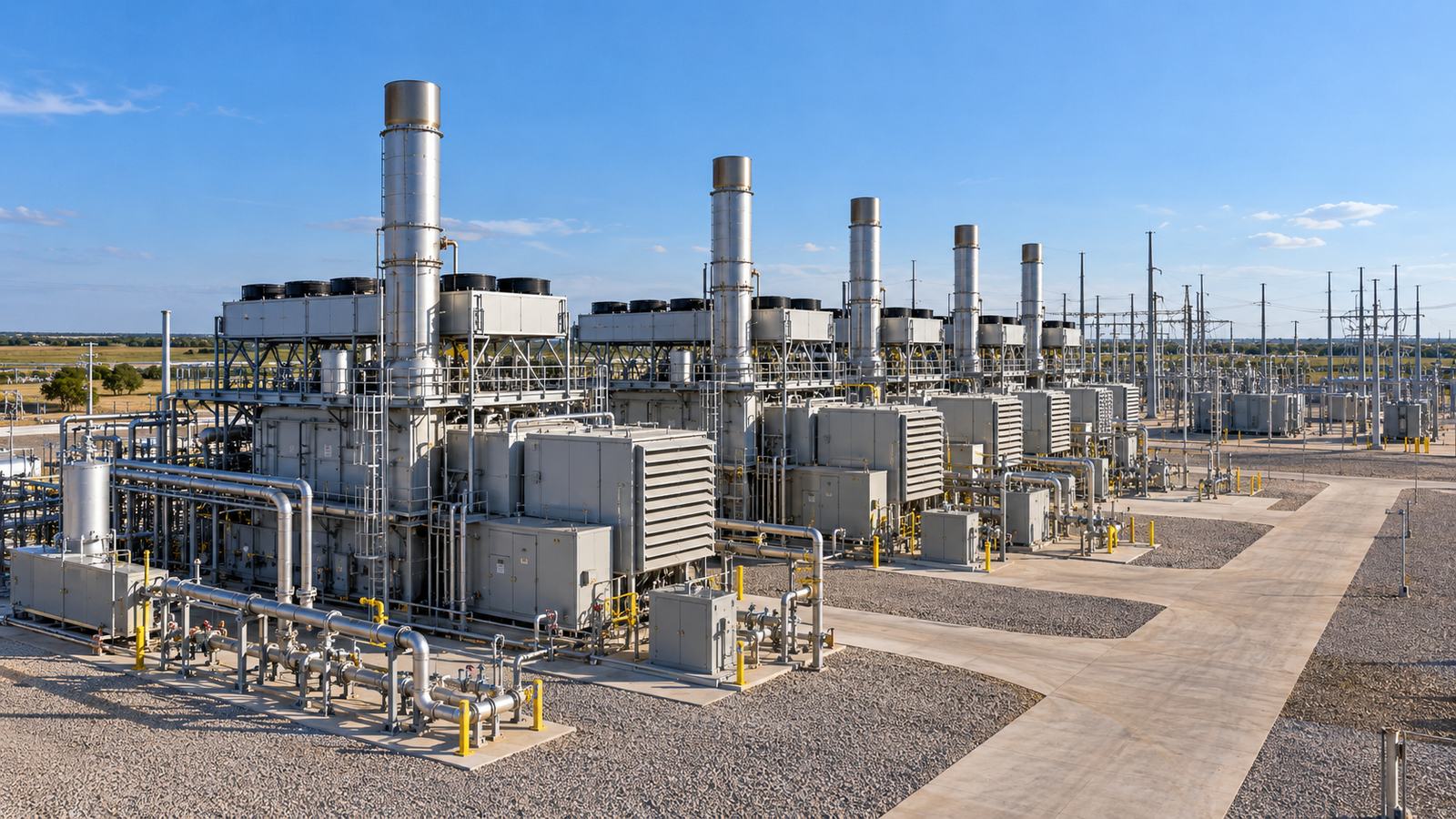
If you own land anywhere near a major Texas transmission line, you may have noticed a new kind of interest. Site selectors, energy developers, and brokers are all asking about the same thing: land that can reach large amounts of power. The reason is data centers.
This guide explains what is driving the rush, what new Texas rules mean for it, and how landowners can separate real opportunity from speculation.
The numbers behind the rush
ERCOT tracks every large electricity customer that asks to connect to the Texas grid. As of March 26, 2026, about 410,000 megawatts of these large loads were seeking interconnection, and roughly 87 percent of them were data centers. That total grew by about 178,000 megawatts in the first quarter of 2026 alone. For scale, the entire Texas grid uses well under a quarter of that on its hottest summer afternoon.
Not all of that will get built. Many companies file in several places at once and keep only the best sites. But even a fraction of those requests represents a generational increase in demand, and every megawatt of new load needs new generation, storage, and transmission somewhere nearby.
Texas changed the rules in 2025
The Legislature responded with Senate Bill 6, signed in June 2025. For loads of 75 megawatts and above, it requires a study fee of at least $100,000, requires customers to disclose whether they are requesting substantially similar connections elsewhere in Texas, and sets expectations for curtailing large loads or running their backup generation during grid emergencies. It also requires state review of arrangements where a large load connects directly to an existing power plant. ERCOT has been moving large-load studies toward a batch process through 2026 to handle the volume.
For landowners, the practical effect is that speculative filings are getting more expensive and more visible. Projects with real sites, real power plans, and real money behind them are the ones that move forward.
Why this matters for land near the grid
Data centers need enormous amounts of reliable power, and the grid near them has to keep up. That creates demand for several kinds of land at once.
- Battery storage sites. Storage near large substations helps absorb swings in demand and supply. A storage project can fit on a small parcel if the grid connection is right.
- Solar and hybrid sites. Solar paired with storage can supply energy to the grid serving growing load, especially where large tracts sit near high-voltage lines.
- Other generation. Some large loads are pairing with natural gas or other on-site generation, which also needs well-located land.
- The data center campus itself. Site selectors usually want to buy land outright, not lease it, and they look for large, flat parcels with power, water, and fiber.
Own land near high-voltage lines?
Get a no-obligation read on how your property sits against the grid, and whether it fits solar, storage, or both.
Check My LandA purchase offer and a lease are different deals
If a data center buyer approaches you, you are usually being asked to sell. If an energy developer approaches you, you are usually being asked to sign an option and a long-term lease that keeps the land in your name. Both can be good outcomes. They are not the same, and the terms that protect you are different. A sale is about price, closing conditions, and what happens to surrounding land you keep. A lease is about option length, escalators, decommissioning, and who assumes the obligations if the project is sold.
Be cautious with anyone who wants exclusivity over your entire property for a long period without a clear plan, a defined footprint, and payments that reflect the time your land is held off the market.
What to ask before you sign anything
- Where will the power come from? A serious buyer or developer can name the transmission line or substation and the voltage.
- Has an interconnection request been filed? For generation or storage, ask what stage it is in. ERCOT publishes monthly reports on generation requests that can be checked.
- What exactly is the footprint? Know which acres are included and what you keep.
- What happens if plans change? Understand what you are paid if the project stalls or moves elsewhere.
- Who is the counterparty? Know who you are actually signing with, and whether they plan to assign the agreement.
For more detail, see our guides on how long Texas solar and battery projects take, battery storage land leases, and what to look for before signing a lease.
Demand for power is creating real value in the right places. The landowners who do best are the ones who know which kind of deal is in front of them.
This article is general information for Texas landowners and is not an offer, legal advice, or tax advice. Large-load figures are from ERCOT reports dated March and April 2026; Senate Bill 6 provisions are summarized from published legal analyses and may be further defined by PUCT rulemaking. Consult your own attorney and tax advisor before entering any agreement.