
Why 2026 Is the Optimal Year to Lease Land for Renewable Energy Projects in the U.S.
By: Aurevia Energy
Janurary 1, 2026
Leasing land for renewable energy development is becoming one of the most attractive long-term income opportunities for landowners nationwide. From solar farms and battery energy storage systems to hybrid renewable projects, demand for land is accelerating across the United States.
While renewable energy development has been growing for years, 2026 is shaping up to be one of the strongest years yet for landowners considering leasing their land.
This trend is driven by real grid demand, long-term utility planning, federal tax credit timing, and the increasing value of well-located land.
Growing Demand for Renewable Energy Is Straining the U.S. Power Grid
Electricity demand in the United States is rising faster than utilities projected. Electric vehicles, fleet electrification, data centers, manufacturing reshoring, and population growth are straining the grid.
At the same time, much of the existing grid infrastructure is outdated and constrained. Utilities and power buyers are prioritizing locally sited renewable energy generation and energy storage to maintain reliability and control long-term costs.
Solar energy and battery storage projects require land. As demand increases, land suitable for renewable energy development has become a critical and increasingly scarce resource.
Renewable Energy Leasing Is Long-Term Infrastructure, Not a Short-Term Trend
Modern renewable energy projects are designed to operate for decades. Most solar and battery storage facilities are built to last twenty-five to forty years and are backed by long-term power purchase agreements and institutional capital.
For landowners, leasing land for renewable energy typically provides:
Predictable long-term income
Fixed annual payments with escalation
No exposure to commodity price volatility
Continued land ownership
Compared with traditional agricultural or commercial uses, renewable energy leases provide stable, contract-backed income with limited operational risk.
Federal Renewable Energy Tax Credits Still Matter, But Timing Is Critical
Federal tax incentives remain a key driver of the economics of renewable energy development. Although current incentives extend into the later part of the decade, projects that begin development earlier are materially better positioned.
Renewable energy projects require years of upfront work, including land agreements, environmental studies, interconnection approvals, engineering, and financing. Projects that start these steps in 2026 are far more likely to reach construction under favorable economic conditions.
Safe Harbor Timing Makes 2026 Especially Valuable for Landowners
One of the most critical factors shaping renewable energy development in 2026 is the timing of tax credit safe harbors.
Under current IRS guidance, renewable energy projects can preserve stronger tax credit economics by meeting defined safe harbor requirements before future incentive reductions. This requires demonstrating that a project has meaningfully begun development.
For many projects, June 2026 is a key safe-harbor window.
Projects that qualify for safe harbor treatment often benefit from:
Greater tax credit certainty
Improved access to financing and tax equity
Stronger overall project economics
For landowners, this matters because site control is required before developers can secure a safe harbor for a project. Without a lease or option agreement, developers cannot advance engineering, interconnection, or procurement.
Engaging in 2026 does not mean committing to immediate construction. It means positioning the land early enough to preserve economic advantages.
Leasing Land for Renewable Energy Is a Nationwide Opportunity
While states like Texas receive significant attention, renewable energy development is expanding nationwide.
Utilities and energy buyers across the Midwest, Southeast, Mountain West, Northeast, and rural areas nationwide are actively seeking new solar and battery storage projects. Land near transmission lines, substations, highways, or growing load centers is in particularly high demand.
Renewable energy land leasing is not limited to a single region. It is national.
Landowners Retain Ownership and Flexibility
Leasing land for renewable energy does not require selling the property. A well-structured renewable energy lease preserves land ownership and clearly defines project boundaries, continued use of non-project areas, and land restoration at the end of the lease term.
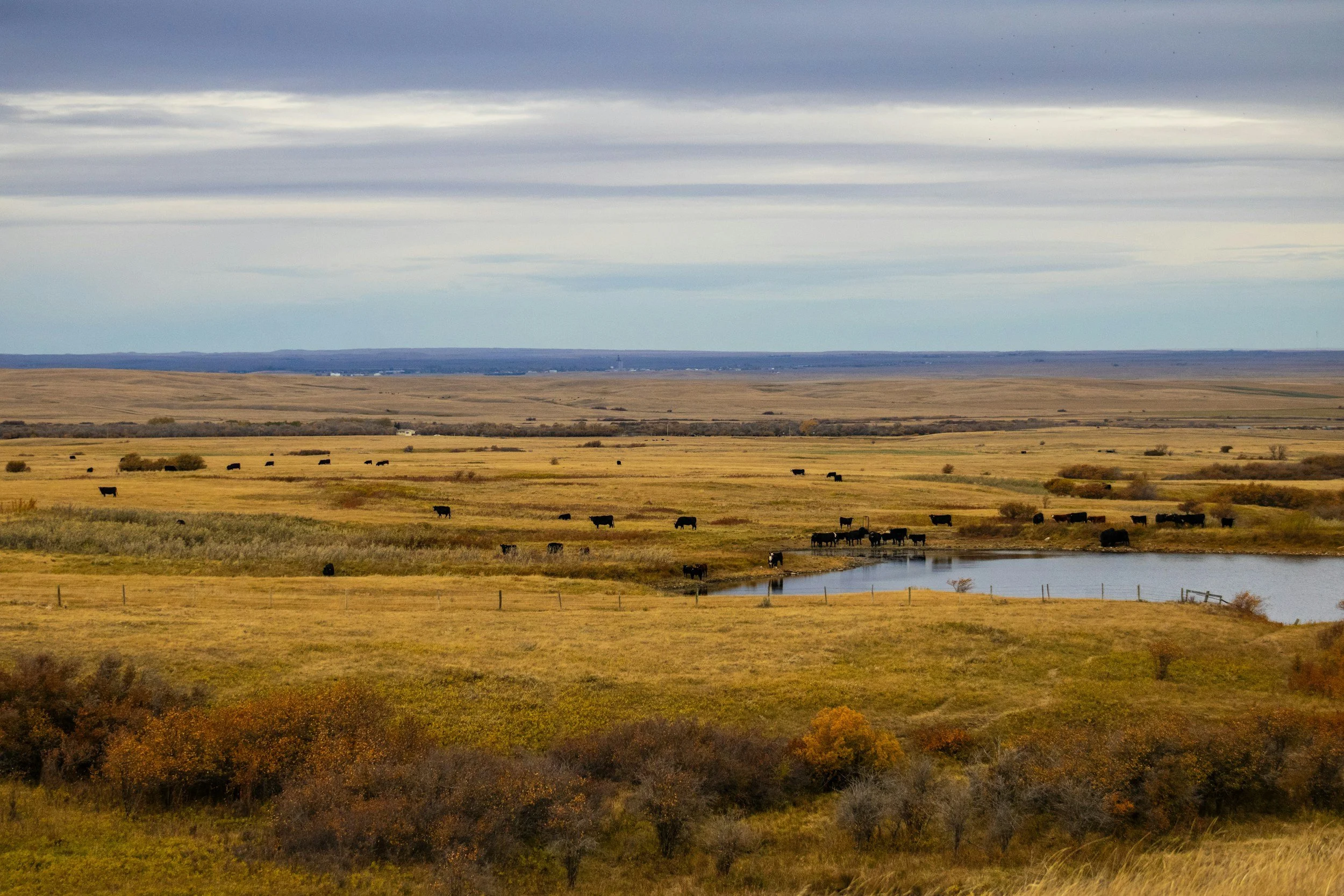
In some cases, renewable projects coexist with grazing or agricultural operations. In others, they transform underutilized land into a reliable income-producing asset.
Developers Are More Selective Than Ever
As renewable energy development matures, developers are becoming increasingly selective. Projects with strong site characteristics, clear land agreements, and engaged landowners move faster and attract better financing.
Landowners who explore opportunities earlier often gain greater leverage, better lease terms, and more project options.
Starting Early Leads to Better Outcomes
Not every parcel of land is suitable for renewable energy development, and not every lease offers the same value. Payment structures, timelines, and long-term obligations vary widely.
Landowners are best served by working with developers who bring transparency, technical expertise, and long-term planning to renewable energy development.
At Aurevia Energy, we focus on responsible renewable energy development that respects the land, the landowner, and the project's long-term nature.
Renewable Energy Land Leasing FAQ
Is 2026 too early to lease land for renewable energy?
No. Early engagement creates options and allows time for evaluation, negotiation, and planning.Does safe harbor guarantee construction?
No. Safe harbor improves project economics, but final construction depends on permitting, interconnection, and financing.Why does a developer need site control early?
Developers cannot advance technical or financial work without legal control of the land.What happens if tax incentives change later?
Projects that enter development earlier are generally better insulated from future changes.
Is Your Land Suitable for Renewable Energy Development
A no-obligation site evaluation is the best first step. Many properties are more suitable than landowners expect, while others are not viable. Knowing early saves time and uncertainty.
Aurevia Energy is here to help with site evaluations and project development. Reach out for a free site evaluation and a potential pre-development agreement.