Why Lease Your Texas Land for a Solar Farm or Battery Energy Storage?
Stable Income. Keep Your Land. Power the Future.
By Aurevia Energy
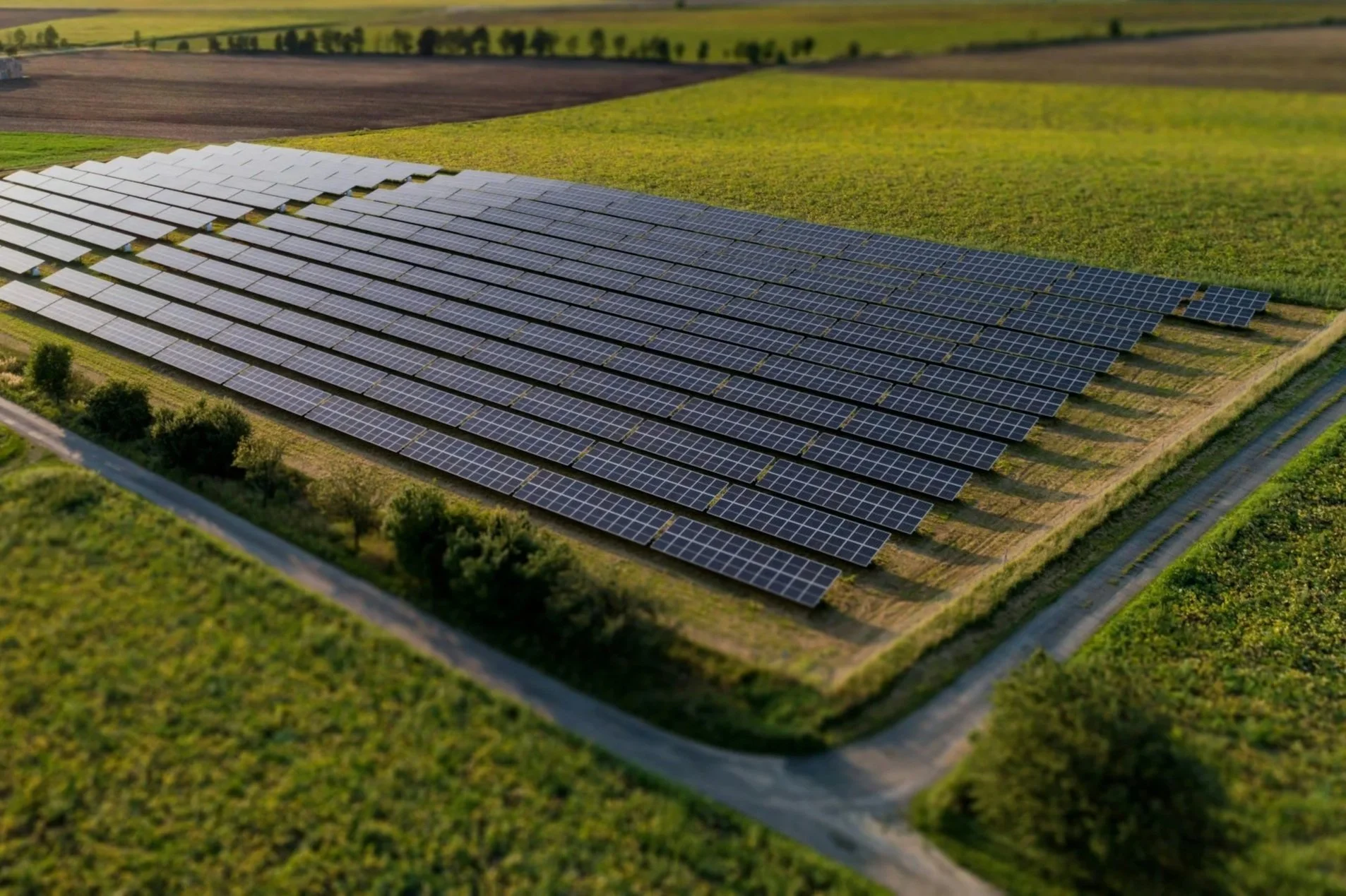
Surrounded by annual farming, this solar array has year round produce you don’t even have to pick.
Texas farmers and ranchers know the truth: the land provides—until the weather doesn’t, the markets don’t, or costs spike again. That’s why more rural landowners across Texas are leasing a portion of their property for utility-scale solar farms and battery energy storage systems (BESS)—to create long-term, predictable income without giving up ownership.
Leasing land for solar or energy storage isn’t about abandoning agriculture. It’s about adding a durable revenue stream that can strengthen your operation, protect family land, and reduce financial stress across drought cycles and market swings.
Aurevia Energy develops land-conscious solar and storage projects across Texas. Here’s why leasing can be a smart move—and what you should know before you sign anything.
The Biggest Reason: Predictable Income for Decades
Agriculture is cyclical. Solar and storage leases are contractual.
Most Texas solar and BESS lease structures include:
Long-term terms (often 25–35 years)
Annual payments based on leased acreage or site footprint
Escalators that increase payments over time (to help keep up with inflation)
For landowners, this often means:
Reliable annual income regardless of drought or commodity prices
Cash flow that helps fund ranch improvements, equipment, and payroll
A financial “anchor” that makes planning easier and reduces risk
This is why many landowners view solar or storage as a second crop, one that produces value even in tough years.
Keep Ownership of Your Land (This Is a Lease, Not a Sale)
Leasing land for solar or BESS does not mean selling your property.
You keep:
Full land ownership
Long-term appreciation
The ability to pass the land to future generations
The project uses a defined portion of your property under a lease agreement. At the end of the term, equipment is removed, and the land is restored per the contract. For families who want to preserve land without subdividing or selling, solar leasing can be a powerful option.
Solar and Agriculture Can Coexist
A common misconception is that solar removes land from agriculture forever. In reality, many Texas projects are designed to support continued agricultural use.
Grazing Under Solar
Sheep grazing is common around solar arrays and can provide:
Ongoing agricultural activity
Vegetation management benefits
Potential support for maintaining ag valuation in some counties (county rules vary)
Lease Only Part of the Property
Most landowners lease a portion of their acreage and keep the rest fully in production for grazing, hay, crops, or hunting (outside fenced areas).
Solar doesn’t have to replace agriculture; it can help stabilize it.
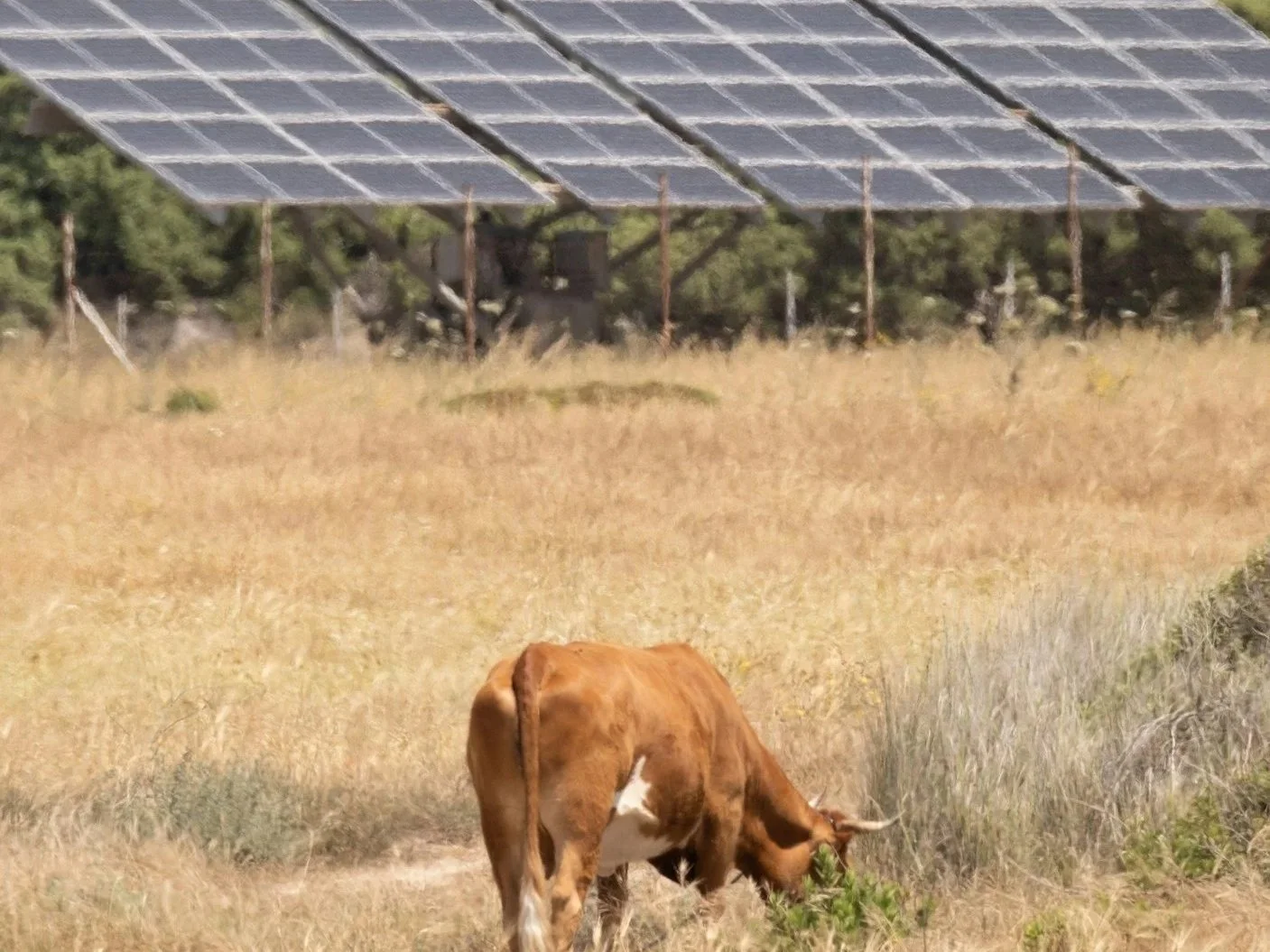
Moove on over and keep ranching as you have been with the added benefits of solar.
Battery Energy Storage (BESS): High Value, Smaller Footprint
Battery energy storage is growing fast in Texas, especially in ERCOT, because it helps balance the grid during peak demand and weather events.
BESS sites typically:
Use far less land than a solar farm
Are located near substations or transmission corridors
Have minimal visual impact compared to significant developments
For landowners, that can mean:
Substantial lease value per acre
Small footprint projects that fit properties where solar may not
A clean, infrastructure-style land use with clear boundaries
In many cases, a battery project can generate meaningful income using only a few acres—making it attractive for properties with limited open land but strong grid access.
Solar and Storage Support Rural Texas Communities
Landowners benefit directly, but counties often see advantages as well.
Utility-scale projects can expand the county's tax base, create local construction jobs, and enhance overall grid reliability.
For rural communities, these projects can serve as primary long-term revenue sources and help fund schools, roads, and public services.
FAQs: Straight Answers for Texas Landowners
Will solar or storage damage my land?
Done correctly, no. Solar infrastructure is primarily above ground, and battery systems sit on engineered pads. Responsible development includes erosion control, drainage planning, and restoration requirements. Aurevia designs projects to minimize land disturbance and protect long-term value.
Will I lose my agricultural valuation or face rollback taxes?
It depends on the county and how the land is used during operations. In some cases, continued grazing under and around solar can help maintain agricultural value. Rollback tax rules vary by county. Aurevia addresses these issues early and works with your tax advisors so you understand the implications before signing.
Is a solar farm loud?
Solar arrays are silent. Inverters and transformers can emit a low hum, similar to a household HVAC system, and are typically located away from property edges where possible.
What happens when the lease ends?
A properly written lease requires the project to be decommissioned: equipment removed, disturbed areas restored, and vegetation re-established. Aurevia supports clear decommissioning obligations and financial protections so the landowner is not left holding the bill.
Can I still use my land while the project operates?
Often yes, depending on design and safety requirements. Common compatible uses include grazing and certain land management activities. We define boundaries clearly so you maintain predictable access and use of the rest of your property.
Why Landowners Work with Aurevia Energy
Aurevia Energy is built for Texas landowners who want development done the right way—transparent, land-conscious, and structured for long-term success.
What we prioritize:
Clear lease terms and payment structure
Land-friendly design and minimal disturbance
Practical communication (no hype, no games)
Strong decommissioning protections
Long-term partnership mindset
We’re not here to rush signatures. We’re here to build projects that last—and relationships that last longer.
Get a Free Land Evaluation
If you’re considering leasing land for a solar farm or battery energy storage in Texas, the first step is understanding whether your property is a good fit.
Aurevia Energy offers a free, no-obligation site evaluation, including:
High-level grid and interconnection screening
Land suitability review (terrain, access, constraints)
Project footprint estimate and realistic development outlook
Keep your land. Create a stable income. Build the future of Texas energy.
Contact Aurevia Energy to evaluate your land for solar or energy storage.